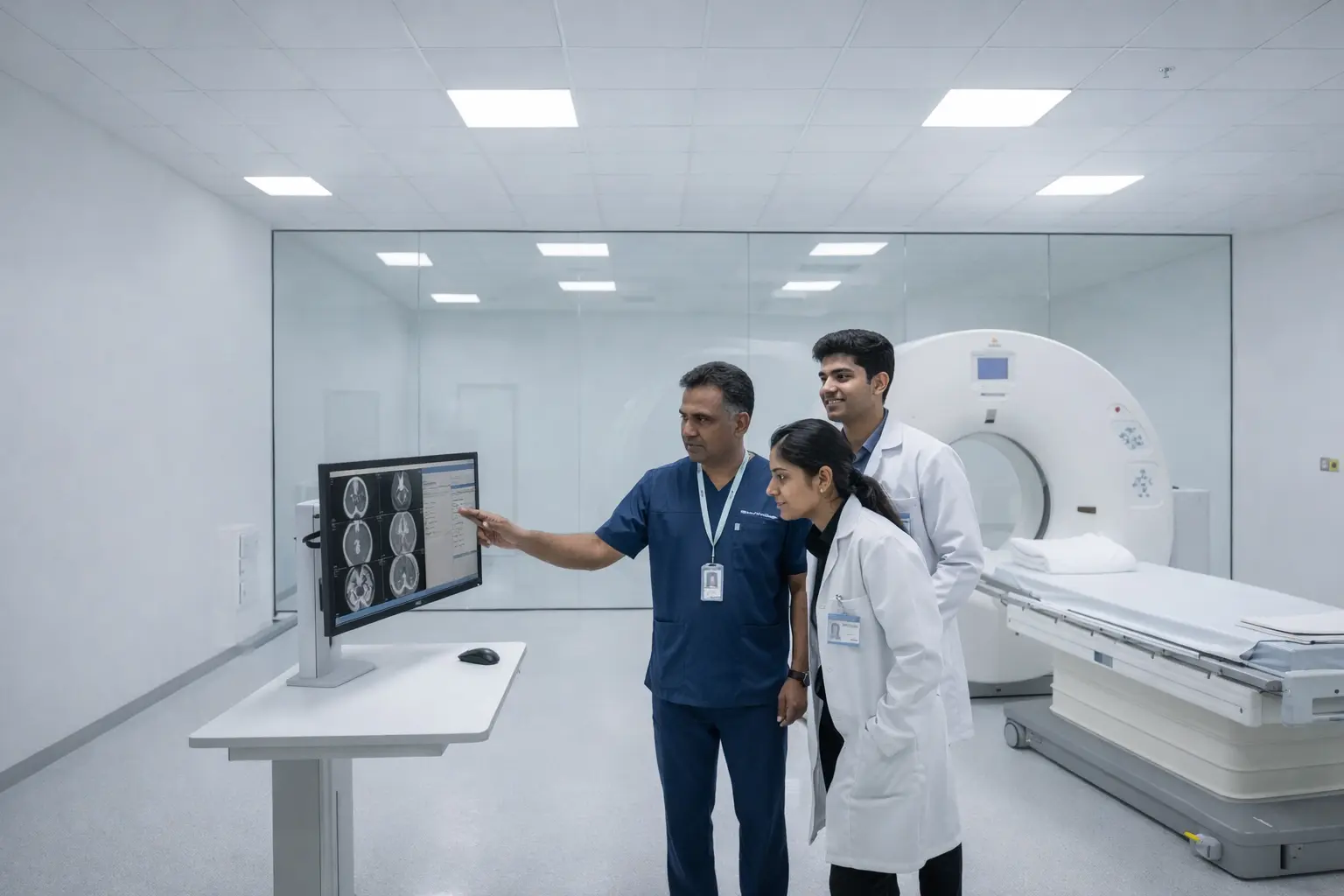
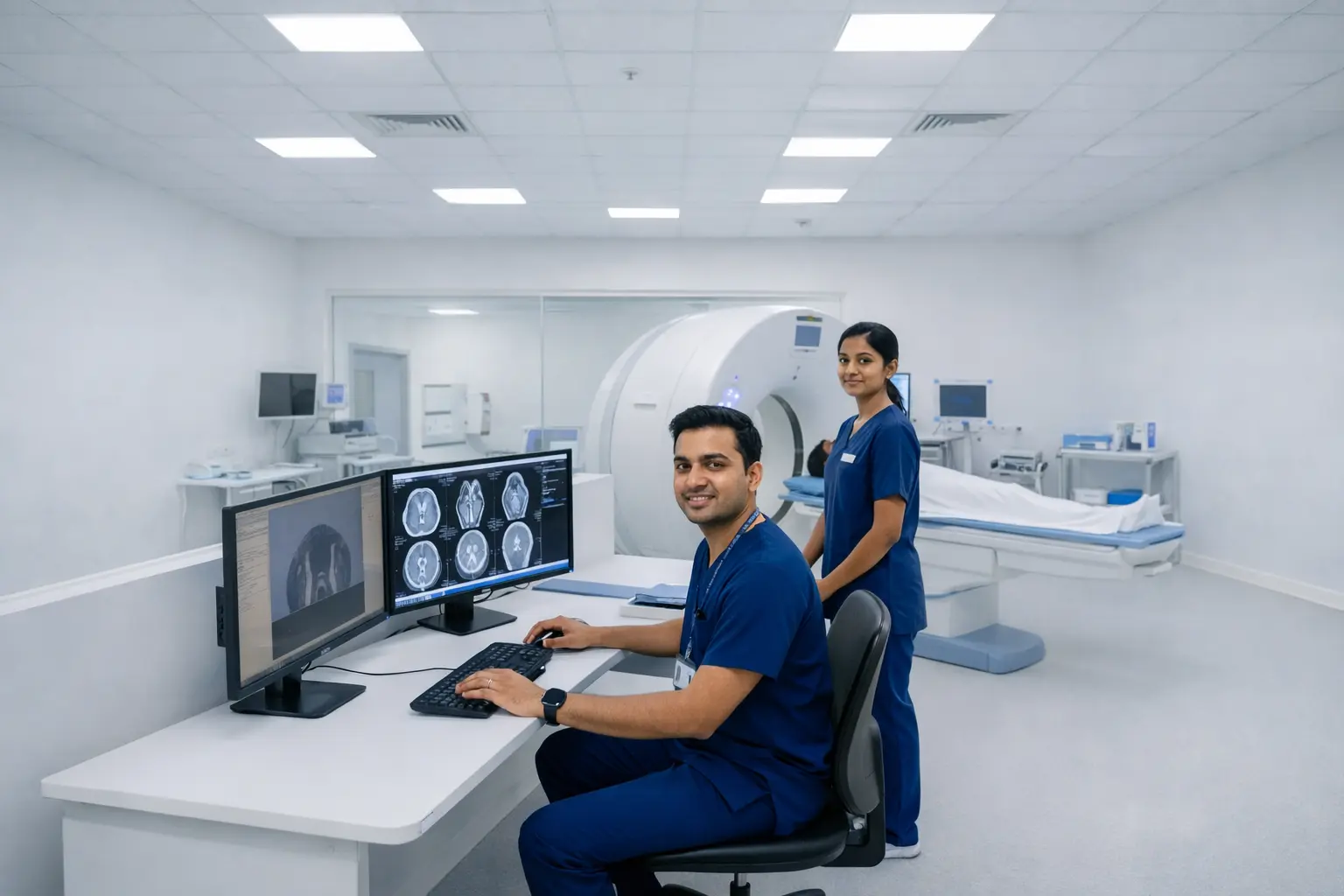
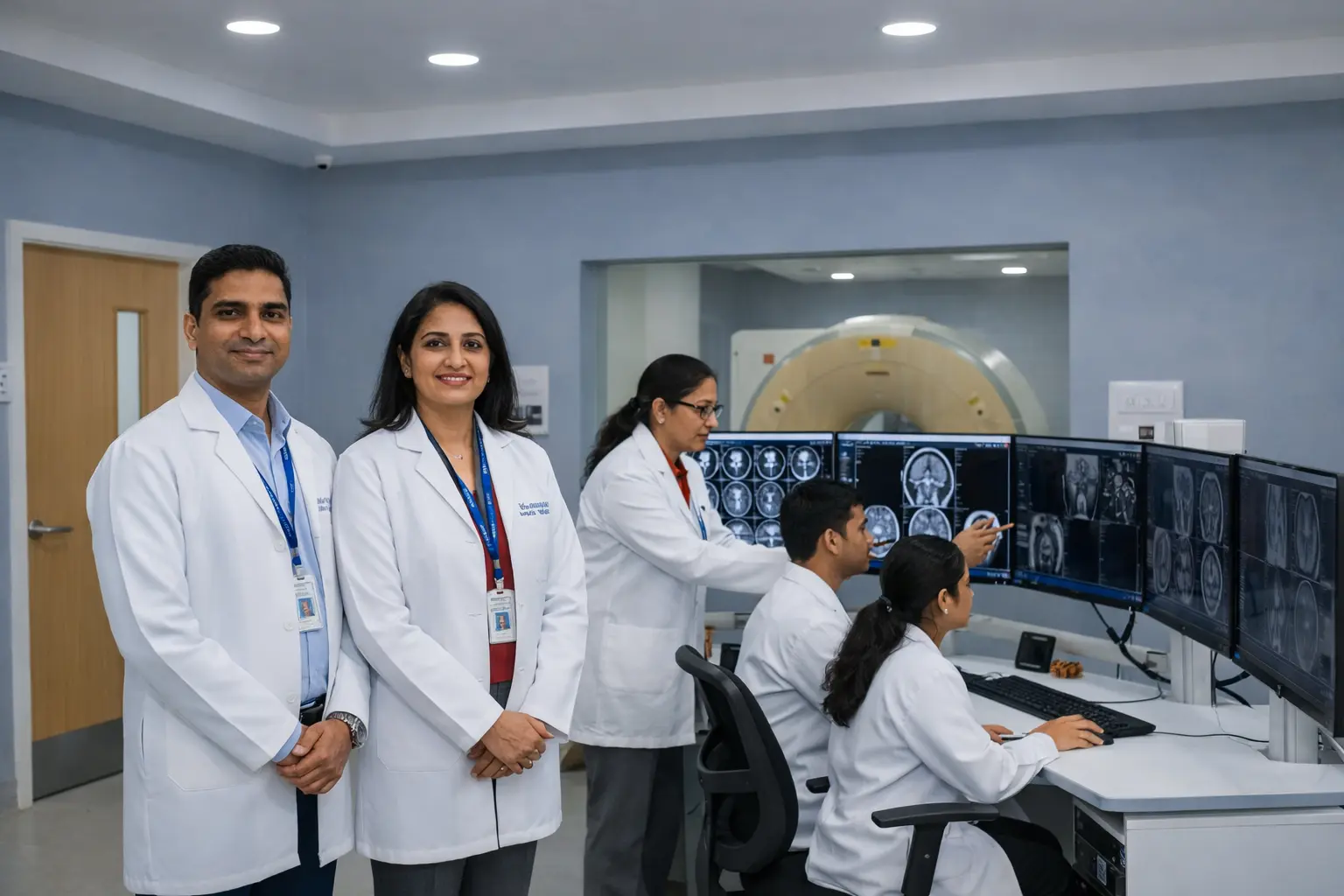
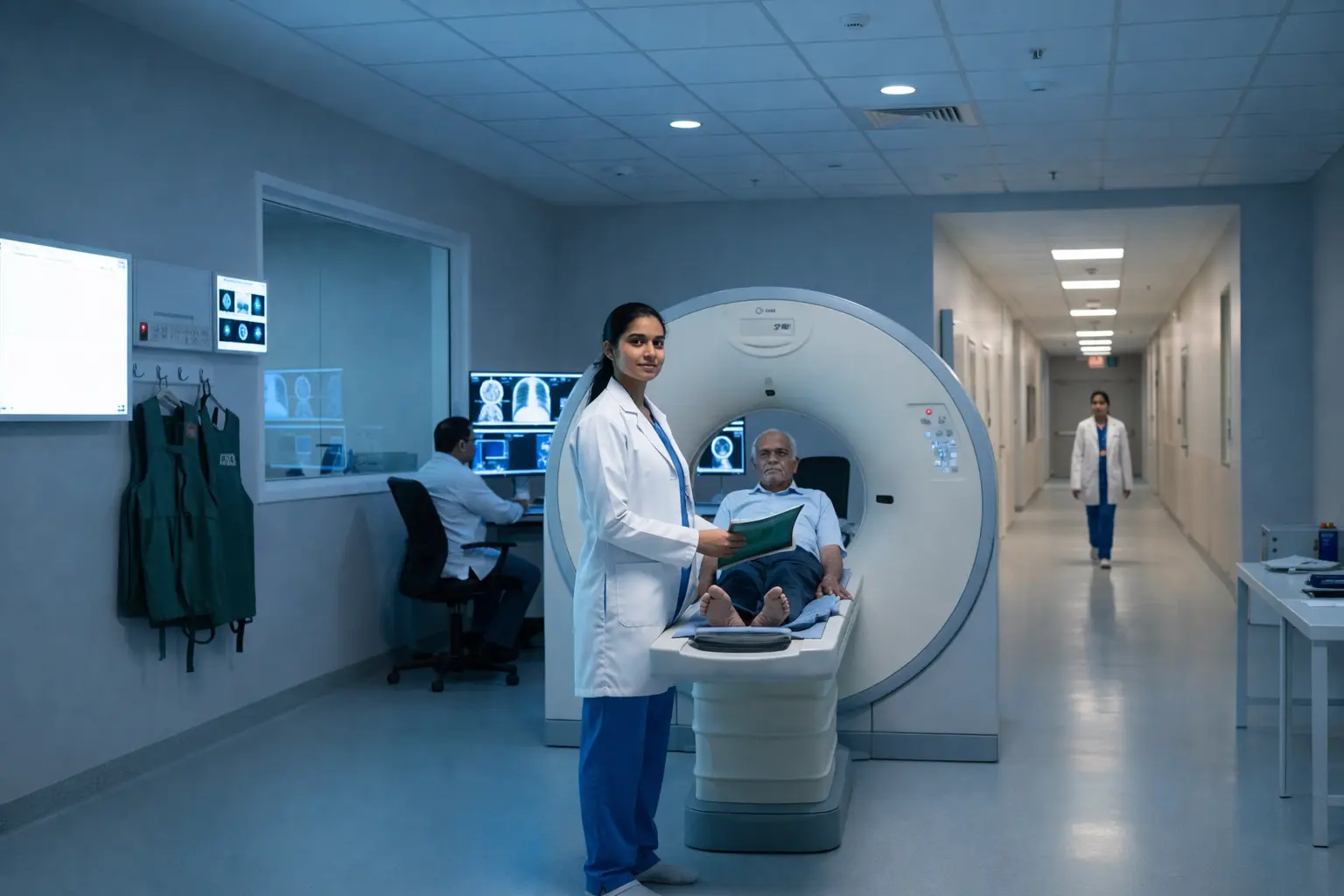
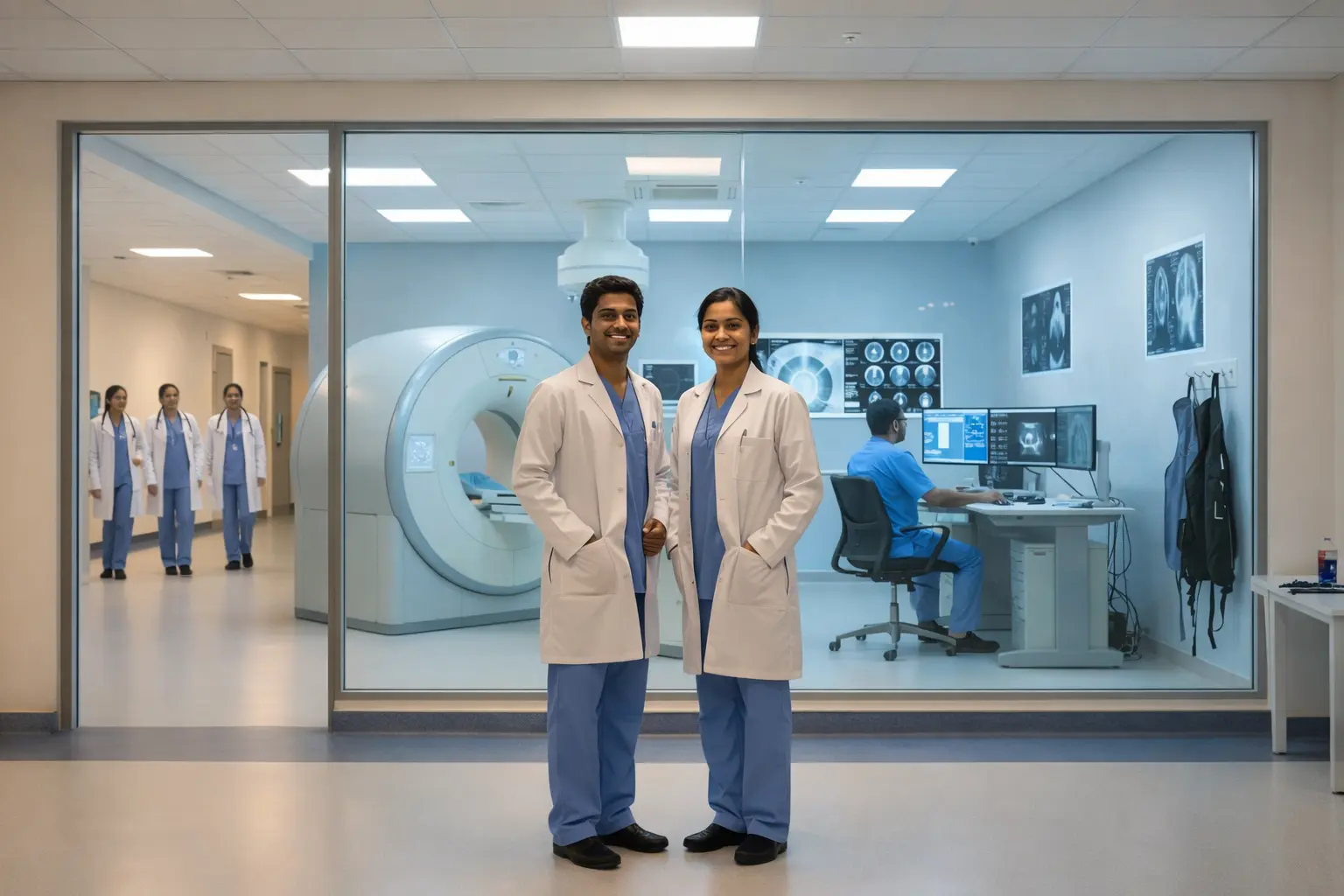
The traditional MBBS and MD/DNB pathway typically takes 9–11 years to complete. Students who pursue a fellowship may spend an additional 1–2 years in training. This route is required to become a radiologist.
Admissions Open for September 2026 Intake - Limited Seats
Paramedical
How to Become a Radiologist in India: Qualification, Eligibility & Career Path
Jun 30th , 2026
If you enjoy science, technology, and helping doctors identify health conditions using advanced medical imaging, radiology could be the right career for you. It is a highly respected field that plays an important role in diagnosing diseases and guiding patient treatment.
However, many students are unsure how to become a radiologist doctor, what qualifications are required, or which educational path to choose. This guide explains how to become a radiologist in India, the radiologist eligibility criteria, required qualifications, and the different career opportunities available in the field.
What Is a Radiologist?
A radiologist is a medical specialist who helps diagnose and monitor health conditions by analyzing images from technologies such as X-rays, CT scans, MRIs, ultrasounds, and mammograms.
By identifying abnormalities and interpreting imaging results, radiologists provide critical information that helps other doctors make informed decisions about a patient's diagnosis, treatment, and ongoing care.
Start Your Medical Career with Bachelor’s Degree in MRIT from Top Universities - 100% Placement Support - Admissions are Open for 2026 Batch
Roles and Responsibilities of a Radiologist
Understanding the role of radiologist is important before choosing this career path. Radiologists play a vital role in healthcare by helping doctors diagnose, monitor, and manage medical conditions through advanced imaging technologies.
The key radiologist roles and responsibilities include:
- Interpreting medical images: Examining X-rays, CT scans, MRI scans, ultrasounds, and other imaging results to identify diseases, injuries, and abnormalities.
- Preparing diagnostic reports: Creating detailed reports that help doctors make accurate diagnoses and treatment decisions.
- Supporting treatment planning: Working closely with physicians and specialists to provide imaging-based insights for patient care.
- Performing image guided procedures: Assisting with minimally invasive procedures such as biopsies, catheter placements, and drainage procedures using imaging guidance.
- Ensuring patient safety: Monitoring radiation exposure and following safety protocols during imaging examinations.
- Keeping up with new technology: Staying updated on the latest advancements in imaging equipment and diagnostic techniques.
The role of radiologist extends beyond simply reviewing scans. Their expertise helps healthcare teams make informed medical decisions and deliver better patient outcomes. Understanding these radiologist roles and responsibilities can help students decide whether this detail oriented and highly specialized profession is the right fit for them.
Radiologist Qualifications and Eligibility Criteria
If you want to become a radiologist, it is important to understand the radiologist eligibility criteria and the qualifications required for this profession. The journey starts after Class 12 and involves medical education followed by specialized training in radiology.
To become a radiologist in India, you need:
- Finish 10+2 education with Physics, Chemistry, and Biology as the main subjects.
- Qualify for NEET UG for admission to an MBBS program.
- Complete an MBBS degree from a recognized/approved medical college.
- Qualify for NEET PG for postgraduate specialization.
- Complete an MD or DNB in Radiodiagnosis.
- Optional fellowship training for advanced specialization.
These are the essential radiologist qualifications required to practice as a radiologist in India. Understanding the radiologist eligibility criteria and educational pathway early can help students prepare for a successful career in this field.
How to Become a Good Radiologist: Skills That Matter Most
Many students wonder how to become a good radiologist, and the answer lies in developing the right combination of technical expertise and professional skills. These skills are essential for accurately interpreting medical images and supporting effective patient care.
- Attention to Detail: Identifying even small abnormalities in scans.
- Analytical Thinking: Evaluating imaging results and medical information.
- Communication Skills: Preparing clear diagnostic reports for doctors.
- Technical Knowledge: Understanding imaging equipment and technologies.
- Patience and Focus: Maintaining accuracy while reviewing large numbers of images.
Developing these skills can help you become a good radiologist and build a successful career in the field.
Start Your Medical Career with Bachelor’s Degree in MRIT from Top Universities - 100% Placement Support - Admissions are Open for 2026 Batch
How to Become Radiologist After 12th
Most students searching for how to become a radiologist after 12th want a clear roadmap. To become a radiologist in India, you must complete medical education followed by specialized radiology training.
Step-by-Step: How to Become a Radiologist Doctor
Step 1: Complete Class 12 with PCB
The first step is completing Class 12 with Physics, Chemistry, and Biology (PCB) from a recognized board. A strong academic foundation is important because medical admissions are highly competitive.
Step 2: Qualify for NEET UG and Complete MBBS
After Class 12, students must qualify for NEET UG to secure admission to an MBBS program. MBBS provides the medical knowledge and clinical training required before pursuing any specialization.
Step 3: Qualify NEET PG
After completing MBBS, aspiring radiologists must clear NEET PG to gain admission into postgraduate medical programs.
Step 4: Complete MD or DNB in Radiodiagnosis
The next step is specializing in radiology through an MD Radiodiagnosis or DNB Radiodiagnosis program. This is the stage where doctors receive advanced training in diagnostic imaging, image interpretation, and radiological procedures.
Step 5: Pursue Fellowship Training (Optional)
Many radiologists choose additional fellowship training in specialized areas such as interventional radiology, neuroradiology, pediatric radiology, or breast imaging to further enhance their expertise.
Step 6: Begin Practice as a Radiologist
After completing the required qualifications and registrations, radiologists can work in hospitals, diagnostic centres, healthcare institutions, or teleradiology services.
For students wondering how many years to become a radiologist or how long does it take to become a radiologist, the complete journey typically takes several years of medical education and specialized training before independent practice.
Can You Become a Radiologist Without MBBS?
A common question students ask is how to become a radiologist without MBBS.
The answer is simple: No, you cannot become a radiologist without completing MBBS. In India, radiologists are medical doctors who must complete MBBS followed by an MD or DNB in Radiodiagnosis.
However, students interested in medical imaging can still build rewarding careers through alternative healthcare programs. One such pathway is a BSc in Medical Radiology & Imaging Technology, a specialized course that equips students with the knowledge and practical skills required to handle diagnostic imaging technologies used in modern healthcare environments.
How Many Years and How Much Does It Cost to Become a Radiologist?
Two of the most common questions students ask are how many years to become a radiologist and how much it costs to become a radiologist.
| Pathway | Duration | Approximate Cost |
|---|---|---|
| MBBS + MD/DNB Radiodiagnosis | Around 8.5-9 Years | Varies significantly between government and private institutions |
| MBBS + MD/DNB + Fellowship | Around 9.5-11 Years | Additional training and living expenses may apply |
The journey to becoming a radiologist involves medical education, internship training, and postgraduate specialization. The total cost depends largely on where you study, with government medical colleges generally being more affordable than private institutions.
Interested in Radiology but Not the Long Medical Path?
Not everyone interested in radiology wants to spend years completing medical education and specialization. For students seeking a faster route into medical imaging, the BSc in Medical Radiology & Imaging Technology (MRIT) offers an alternative pathway.
This program trains students to work with imaging technologies, including X-rays, CT scans, MRI scans, and ultrasound equipment, in hospitals and diagnostic centres. Unlike radiologists, radiology technologists operate imaging equipment and support the diagnostic process alongside healthcare professionals.
To learn more about career opportunities in this field, explore our guides on:
Why Choose Emversity for This Route?
Emversity’s BSc in Medical Radiology & Imaging Technology combines academic learning with practical clinical exposure, helping students build job ready skills from day one.
Key benefits include:
- Hands on clinical training at partnered hospitals
- Placement support through hospital and diagnostic centre partnerships
- Industry focused curriculum covering radiography, CT, MRI, radiation safety, and patient care
- Career guidance throughout the admission process
Eligibility is simple. Students must complete 10+2 with Physics, Chemistry, and Biology (or Mathematics) and meet the admission requirements of the chosen university. NEET is not mandatory for most partner universities.
Emversity's Partner Universities for BSc in Medical Radiology & Imaging Technology
Emversity has partnered with several reputed universities across India offering this program, giving students a choice based on location, fees, and infrastructure:
| University | Location | Eligibility | Duration | Approx. Fees |
|---|---|---|---|---|
| MediCaps University | Indore, Madhya Pradesh | 10+2 with 50% in PCB / PCMB | 4 Years | ₹7.8 Lakhs |
| Arka Jain University | Jamshedpur, Jharkhand | 10+2 with 50% in PCB / PCMB | 4 Years | ₹7.2 Lakhs |
| Universal SkillTech University | Mumbai, Maharashtra | 10+2 with 50% in PCB / PCMB | 4 Years | ₹8 Lakhs |
| HCG Hospitals Global Healthcare Academy | Bengaluru, Karnataka | 10+2 with 50% in PCB / PCMB | 4 Years | ₹7.2 Lakhs |
| Medhavi Skill University | Sikkim | 10+2 with 50% in PCB / PCMB | 4 Years | ₹7.2 Lakhs |
| Maya Devi University | Dehradun, Uttarakhand | 10+2 with 45% in PCB / PCMB | 4 Years | ₹7.2 Lakhs |
| Saraswati Group of Colleges | Mohali, Punjab | 10+2 with 50% in PCB / PCMB | 4 Years | ₹6.6 Lakhs |
Emversity Healthcare Partner for Internship & Placement












Start Your Medical Career with Bachelor’s Degree in MRIT from Top Universities - 100% Placement Support - Admissions are Open for 2026 Batch
Final Thoughts
Radiology is one of the most important specialties in modern healthcare, helping doctors diagnose and treat patients with greater accuracy. Although becoming a radiologist requires commitment and years of medical training, it offers excellent career growth, professional respect, and the opportunity to make a real difference in patients' lives.
If you are passionate about medicine and willing to invest in the journey, radiology can be a rewarding career choice for the future.
Planning a career in healthcare but unsure which path is right for you?
Take the Next Step
Book a free career counselling session with an Emversity expert today and get the clarity you need on courses, eligibility, and the right career path for your future.
Get Free Consultation
Talk to our experts today
Related Blogs
Frequently Asked Questions (FAQs)
Clarifying the most common doubts about becoming a radiologist