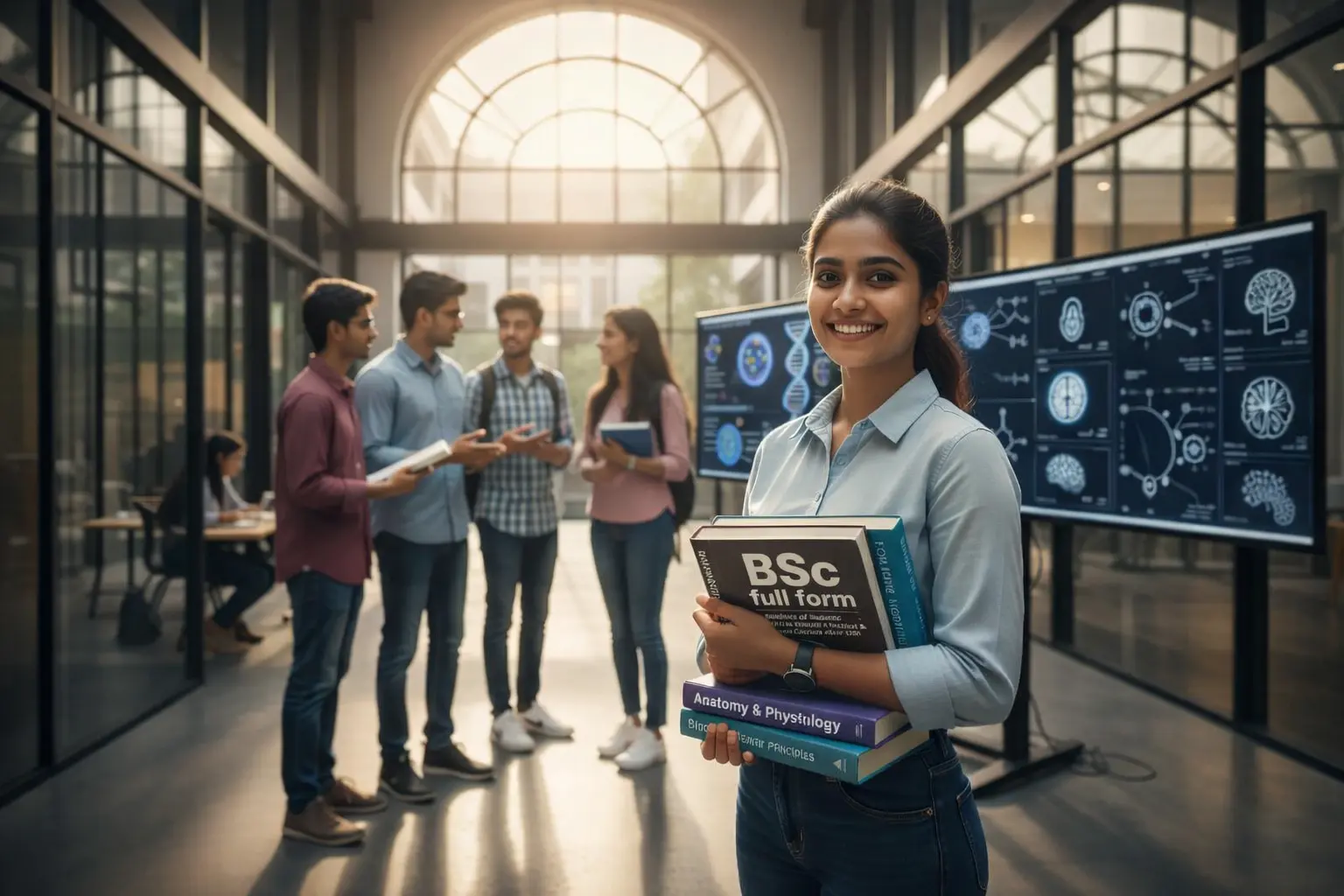
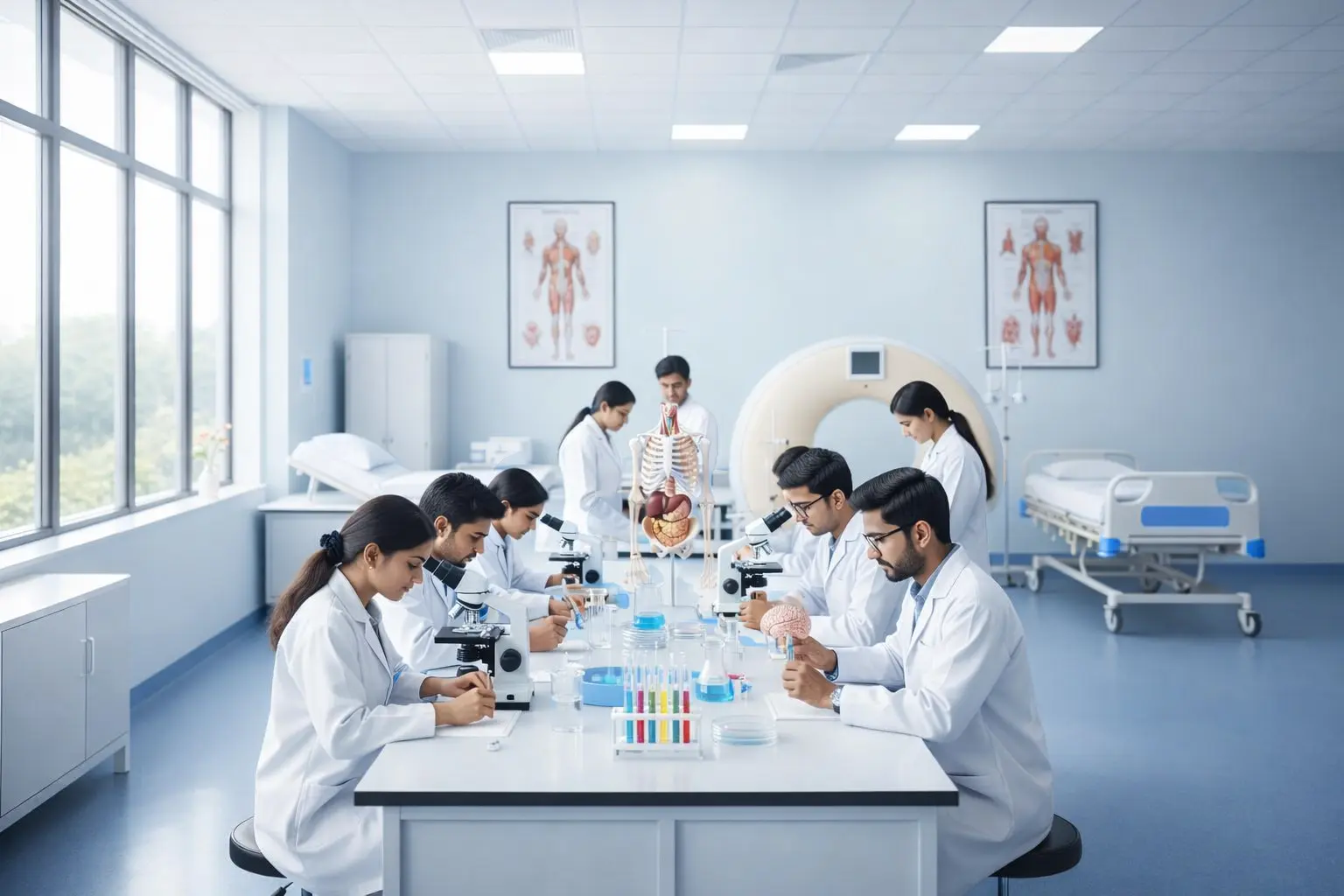
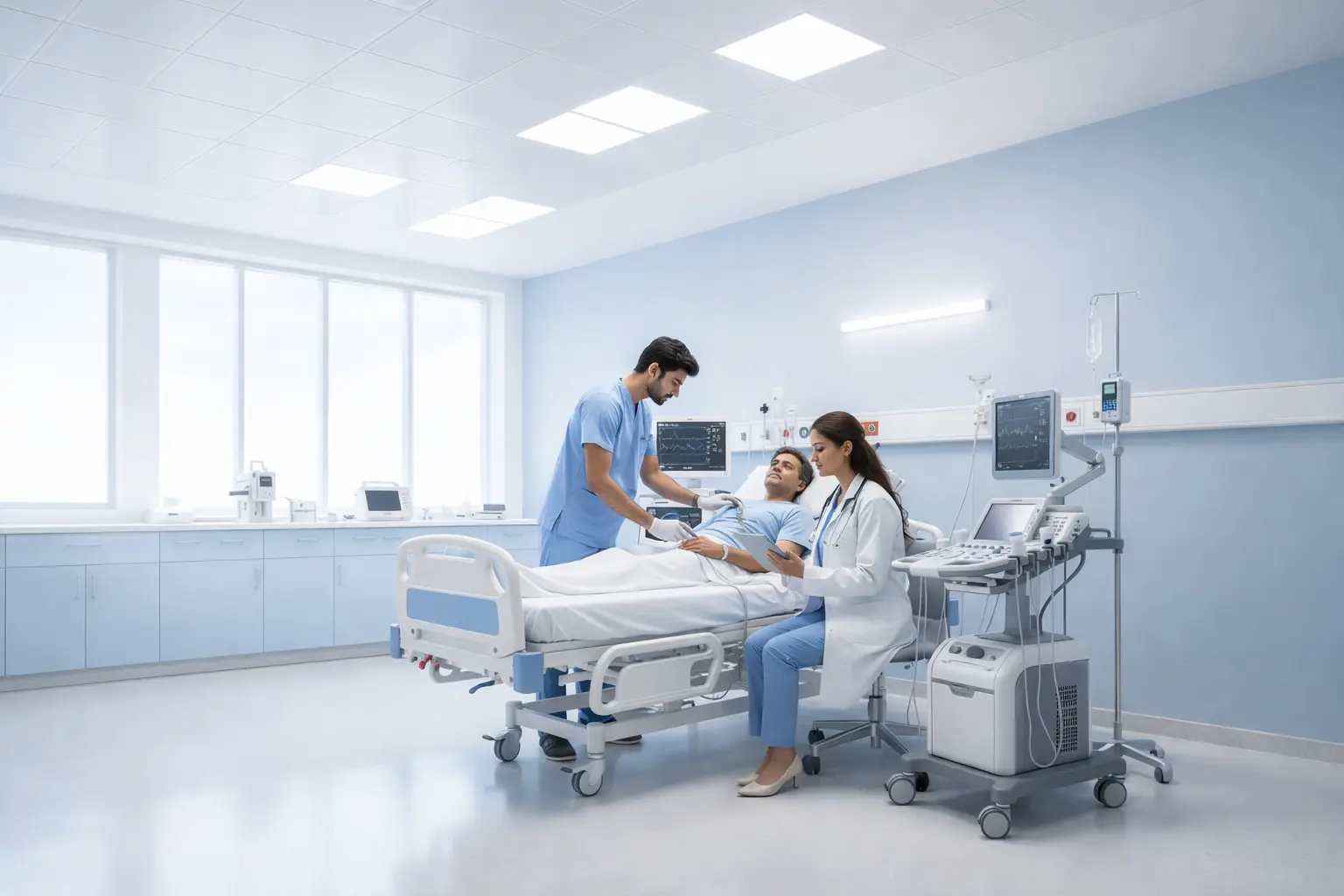


A BSc medical course is an undergraduate program focused on healthcare, diagnostics, patient care, rehabilitation, and medical technology. It prepares students for practical roles in hospitals, laboratories, and other healthcare environments.
Admissions Open for September 2026 Intake - Limited Seats
After 12th
Best BSc Medical Courses & Career Scope
May 28th , 2026
Students from the PCB (Physics, Chemistry, Biology) stream often look for career-oriented programs that offer strong job opportunities in the healthcare sector without pursuing an MBBS degree. In this context, BSc Medical courses have emerged as one of the most popular choices after 12th Science. These courses are designed to provide a strong foundation in medical science, healthcare systems, diagnostics, patient care, and clinical technologies through both theoretical learning and practical training.
The BSc courses in the medical field cover a wide range of specializations such as Paramedical, Allied Healthcare Sciences, Nursing, Life Sciences, and Applied Sciences. Each stream offers unique career opportunities in hospitals, laboratories, diagnostic centres, research institutions, and healthcare industries.
If you are exploring a BSc Medical course, the best courses after 12th PCB, and career scope in medical field, this guide will help you understand everything in detail.
What is a BSc Medical Course?
A BSc medical course is a 3 - 4 year undergraduate program designed for students interested in healthcare and allied medical sciences. These BSc courses in medical focus on subjects related to diagnostics, patient care, rehabilitation, medical technology, and clinical support services.
Through classroom learning and practical training, students develop the technical and professional skills required for careers in hospitals, laboratories, clinics, and healthcare organizations. These programs are an important part of BSc medical related courses, helping students build strong and rewarding careers in the healthcare industry.
Get Admission to Top Medical Courses At Leading Universities Across India - 100% Placement Support - Admissions are Open for 2026 Batch
Top BSc Medical Courses After 12th
There are many excellent BSc courses after 12th medical that offer strong career growth and job stability. Below is a structured BSc courses list in medical field for 2026.
1. Paramedical Courses
These courses focus on diagnostics, emergency care, medical technology, and treatment support services in hospitals, laboratories, and the healthcare sector.
| Course | Course Overview |
|---|---|
| BSc in Cardiovascular Technology | Focuses on diagnosing and supporting treatment of heart related conditions using cardiovascular equipment and procedures. |
| BSc in Dialysis Therapy Technology | Trains students to operate dialysis equipment and assist kidney care treatments. |
| BSc in Emergency Medical Technology | Trains students in emergency response, trauma care, and critical patient support. |
| BSc Anaesthesia & Operation Theatre Technology | Focuses on assisting surgeons and managing operation theatre procedures and equipment. |
| BSc in Medical Radiology & Imaging Technology | Trains students to operate imaging equipment like X-ray, MRI, and CT scan machines. |
| Bachelor in Radiotherapy Technology | Focuses on radiation therapy techniques used in cancer treatment. |
| BSc in Respiratory Technology | Trains students to support patients with breathing disorders and respiratory care equipment. |
| BSc in Medical Laboratory Technology | Trains students to perform diagnostic tests and laboratory procedures. |
To explore more career-oriented healthcare programs after Class 12, read our detailed guide on Best Paramedical Courses Without NEET.
2. Allied Healthcare Science Courses
These BSc medical courses focus on patient care, rehabilitation, nutrition, therapy, and clinical support services that contribute to overall healthcare management and recovery.
| Course | Course Overview |
|---|---|
| Bachelor in Optometry | Focuses on eye care, vision testing, and optical science for diagnosing vision related issues. |
| Bachelor in Nutrition and Dietetics | Focuses on nutrition planning, food science, and dietary management. |
| Bachelor in Occupational Therapy | Helps patients improve physical movement and daily living skills after injury or illness. |
| Bachelor of Physiotherapy | Focuses on rehabilitation, mobility improvement, and physical therapy techniques. |
| Bachelor of Physician Associate | Trains students to support doctors in diagnosis, treatment, and patient care procedures. |
To explore more healthcare career options after 12th without appearing for NEET, read our detailed guide on Best Allied Health Science Courses Without NEET.
3. Nursing
Nursing courses in the medical field focus on direct patient care, clinical practice, hospital duties, and healthcare support services.
| Course | Course Overview |
|---|---|
| BSc in Nursing | Students learn how to manage patients in different departments like ICU, emergency, surgery, and general wards. |
Students interested in patient care and hospital healthcare services can explore the BSc Nursing Syllabus, Eligibility & Fees and learn about the BSc Nursing Salary & Scope for detailed career insights.
4. Life Science Courses
Life Science is a branch of science that studies living organisms and life processes, including how the human body functions, how diseases develop, and how cells and microorganisms work.
| Course | Course Overview |
|---|---|
| BSc Microbiology | Study of microorganisms like bacteria, viruses, fungi, and their role in human diseases and diagnostics. |
| BSc Cell Biology | Focuses on structure and function of human cells and cellular processes related to health and disease. |
| BSc Biochemistry | Study of chemical processes in living organisms, enzymes, proteins, and metabolism related to human health. |
| BSc Genetics | Study of genes, DNA, hereditary diseases, and genetic disorders in humans. |
| BSc Immunology | Focuses on the human immune system, antibodies, and disease resistance mechanisms. |
5. Applied Science Courses
Applied Science courses in the medical field focus on the practical application of biology in healthcare, diagnostics, research, and investigation. These are support based scientific courses, not direct patient treatment programs.
| Course | Course Overview |
|---|---|
| BSc Biomedical Science | Study of human body systems, disease mechanisms, and laboratory based diagnostic techniques used in medical testing and research. |
| BSc in Forensic Science | Application of biological and chemical evidence (DNA, blood, tissues) for crime investigation and legal analysis. |
| BSc in Biotechnology | Application of biological systems and technology in healthcare, medicine, and research development. |
| BSc Clinical Research | Study of testing new drugs, treatments, and medical procedures through clinical trials and healthcare research. |
| BSc Environmental Health Science | Study of environmental factors affecting human health, disease prevention, and public health safety. |
Get Admission to Top Medical Courses At Leading Universities Across India - 100% Placement Support - Admissions are Open for 2026 Batch
BSc Medical Courses Scope
The BSc medical scope in India is growing rapidly due to increasing demand in hospitals, diagnostics, rehabilitation centres, and healthcare technology. With increasing demand for skilled healthcare professionals and continuous growth in medical technology, students pursuing BSc medical courses have strong career opportunities.
Scope After BSc Medical
The scope after BSc medical is wide and includes:
- Hospitals and Multispeciality Healthcare Centres: Hospitals are one of the largest employers for BSc medical graduates. Professionals work alongside doctors and healthcare teams in patient care, diagnostics, rehabilitation, emergency services, and clinical operations.
- Diagnostic Laboratories and Imaging Centres: Students from courses like Medical Laboratory Technology and Radiology can work in pathology labs, imaging centres, and diagnostic facilities where they help detect diseases using laboratory tests and medical imaging technologies.
- Rehabilitation and Physiotherapy Centres: Graduates from Physiotherapy and Occupational Therapy programs can work in rehabilitation centres helping patients recover from injuries, surgeries, neurological conditions, and mobility related problems.
- Wellness and Nutrition Clinics: Students specializing in Nutrition and Dietetics can work in wellness centres, fitness organizations, hospitals, and healthcare clinics where they create diet plans and guide patients toward healthy lifestyles.
- Government Healthcare Departments: Many graduates find opportunities in government hospitals, public healthcare programs, community health services, and healthcare missions run by central and state governments.
- Medical Equipment and Healthcare Technology Companies: With increasing use of healthcare technology, trained professionals are needed to manage and support advanced medical equipment used in diagnostics, critical care, and treatment procedures.
Overall, BSc courses related to the medical field provide strong long term career stability and growth opportunities.
Future Opportunities
- Pursuing M.Sc in a specialized field for advanced knowledge
- Working in hospitals in advanced technical and clinical roles
- Entering research, diagnostics, or healthcare innovation sectors
- Exploring opportunities in pharmaceutical and biotech industries
Jobs After BSc Medical Courses
After completing BSc Medical courses, students have wide career opportunities in hospitals, laboratories, research centers, and healthcare industries across both government and private sectors.
| Division | Job Roles | Work Areas |
|---|---|---|
| Paramedical | Lab Technician, Radiology Technician, OT Technician, Dialysis Technician, Emergency Medical Technician (EMT), Respiratory Therapist | Hospitals, diagnostic labs, emergency care units, imaging centers |
| Allied Healthcare Sciences | Physiotherapist, Optometrist, Dietitian/Nutritionist, Occupational Therapist, Physician Assistant | Rehabilitation centers, hospitals, eye clinics, wellness centers |
| Nursing | Staff Nurse, ICU Nurse, Critical Care Nurse, Community Health Nurse, Psychiatric Nurse | Hospitals, clinics, community health centers, nursing homes |
| Life Science | Microbiologist, Biochemist, Geneticist, Immunology Lab Assistant, Research Assistant | Research labs, pharmaceutical companies, diagnostic labs, universities |
| Applied Science | Biomedical Scientist, Forensic Science Expert, Clinical Research Associate, Biotechnology Analyst, Lab Research Officer | Forensic labs, biotech companies, clinical research organizations, hospitals |
Overall, BSc Medical courses offer strong job opportunities in both government and private sectors, with excellent career growth depending on specialization, skills, and higher education.
Salary After BSc Medical Courses
The salary after BSc Medical courses depends on the specialization, experience level, job role, and work sector. Graduates can build careers in hospitals, laboratories, research centers, and healthcare industries with strong growth opportunities over time.
| Division | Fresher (LPA) | Mid-Level (2-5 years) | Senior Level (5+ years) |
|---|---|---|---|
| Paramedical | 1.8 - 3.6 LPA | 3.6 - 6 LPA | 6 - 12+ LPA |
| Allied Healthcare Sciences | 2.4 - 4.2 LPA | 4 - 8 LPA | 8 - 15+ LPA |
| Nursing | 2 - 3.6 LPA | 3.6 - 7 LPA | 6 - 12+ LPA |
| Life Science | 2.4 - 4.8 LPA | 4.8 - 8 LPA | 8 - 12+ LPA |
| Applied Science | 3 - 6 LPA | 6 - 10 LPA | 10 - 20+ LPA |
After completing a BSc in Medical field, students start with entry level roles in hospitals or laboratories and gradually move into senior positions with experience and specialization.
How Does Emversity Help Students in BSc Medical Courses?
Emversity supports students pursuing BSc medical courses through an industry focused learning approach that connects classroom education with real healthcare exposure. Students gain practical experience in hospitals, diagnostic centres, and clinical environments, helping them understand real world medical work and become job ready after 12th.
Along with training, Emversity also provides strong placement support by connecting students with hospitals, labs, and healthcare organizations for internships and job opportunities. This ensures students studying BSc courses in the medical field build practical skills, industry experience, and better career readiness.
Key Benefits of Choosing Emversity
- Industry aligned curriculum
- Real hospital and lab exposure
- Internship opportunities in healthcare institutions
- Practical and skill based learning
- Career guidance and placement support
- Better job readiness for healthcare roles
This combination of learning and placement support helps students build a strong foundation for successful careers in the healthcare and medical industry.
Emversity Healthcare Partner for Internship & Placement










Get Admission to Top Medical Courses At Leading Universities Across India - 100% Placement Support - Admissions are Open for 2026 Batch
Conclusion
BSc Medical courses provide strong career opportunities in the healthcare sector by combining theoretical knowledge with practical training. These programs prepare students for roles in hospitals, laboratories, and diagnostic centres with growing demand across India.
With continuous growth in medical science and technology, this field offers stable and future-focused career options. Choosing the right specialization helps students build a successful and rewarding healthcare career.
Still Unsure Which BSc Medical Course to Choose?
If you are confused about selecting the right BSc Medical course, specialization, or career path, Emversity offers free counselling to guide you in the right direction. Our experts help you choose the best course based on your interests and career goals.
Get Free Consultation
Talk to our experts today
Related Blogs
Frequently Asked Questions (FAQs)
Everything You Need to Know About BSc Medical Courses & Career Scope